Iris Krause · 22 September 2026
Mobile Applications Facilitate Real-Time Collaborative Poetry Creation Among Global Users
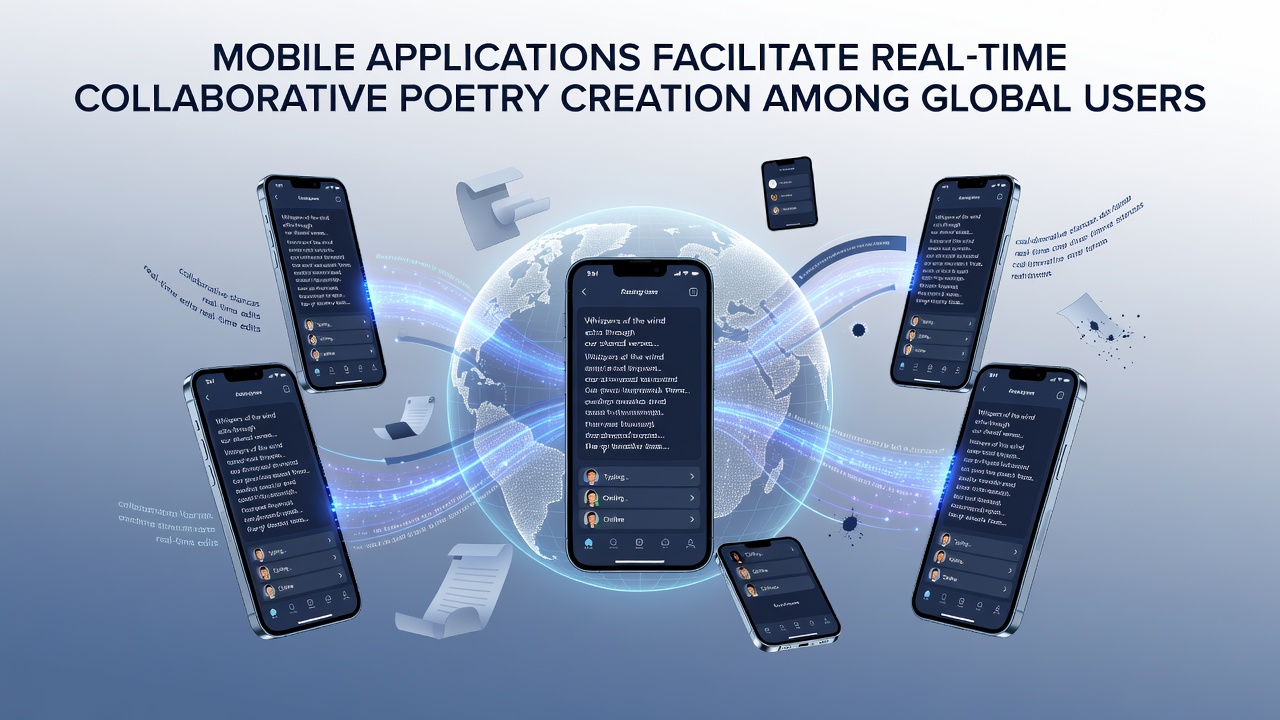
Users around the world open mobile applications that connect poets in shared digital spaces where lines appear as they are typed, revised, and rearranged without delay. These platforms rely on synchronized servers that transmit changes across time zones so participants in different cities see updates simultaneously. Data from industry reports shows that such tools have expanded access to collaborative writing for individuals who lack access to physical workshops or local writing groups.
Core Technologies Driving Instant Collaboration
Real-time functionality depends on protocols such as WebSockets and cloud-based databases that push modifications to every connected device within milliseconds. Developers integrate version-control systems similar to those used in software engineering yet adapted for creative text so contributors can revert to earlier drafts or branch into parallel versions. Research from the University of Toronto indicates that latency below 200 milliseconds maintains the flow of creative exchange while higher delays disrupt the sense of shared momentum.
Applications also incorporate permission settings that let organizers designate roles like editor, contributor, or viewer and these controls adjust on the fly during sessions. Mobile interfaces include touch-friendly tools for highlighting syllables, inserting line breaks, and attaching audio notes that others can play back immediately. Observers note that these features reduce barriers for users writing in languages with non-Latin scripts because input methods and character encoding remain consistent across devices.
Global Participation Patterns and Data Trends
Usage statistics compiled by arts councils in multiple regions reveal steady growth in cross-border poetry sessions. A 2025 European Commission digital culture report documented over 1.2 million active collaborative sessions in the preceding twelve months with participants spanning 87 countries. Sessions often peak during evening hours in one region while morning routines unfold elsewhere creating continuous activity cycles. And users frequently report that these staggered schedules allow contributions from voices that would otherwise remain isolated.
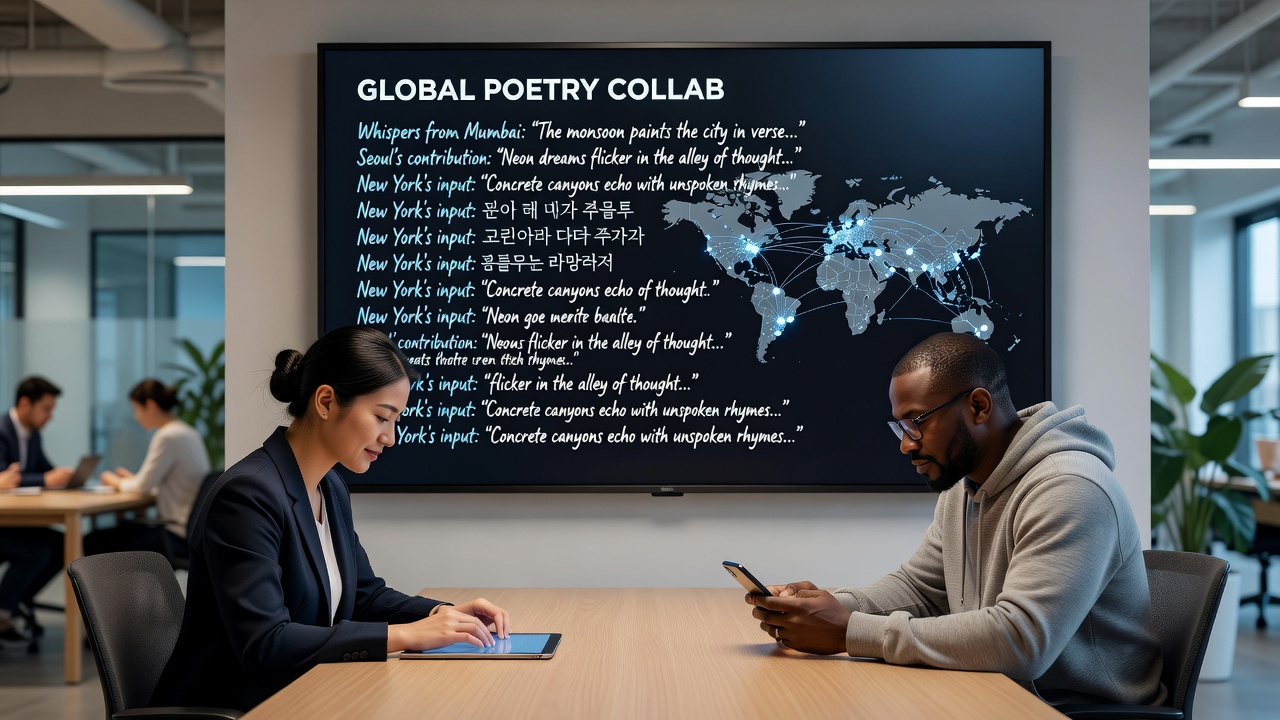
Language diversity presents ongoing challenges yet applications address them through built-in translation layers that suggest equivalents while preserving original phrasing. Participants in Australia and Canada have formed recurring groups that meet weekly in app-based rooms and these gatherings produce collections later published in print anthologies. Figures from the Australia Council for the Arts show that 42 percent of such digital projects later receive physical distribution deals compared with 18 percent of solo-authored mobile drafts.
Features That Support Creative Flow
Many platforms offer synchronized timers that prompt contributors to add lines within set intervals while others allow open-ended editing where anyone can refine existing text. Chat overlays sit beside the poem so discussions about imagery, rhythm, or cultural references occur without interrupting the main canvas. Notification systems alert users when new lines appear or when specific collaborators join and these alerts can be muted for focused writing periods.
Security protocols encrypt data in transit and at rest so unpublished work remains private until authors choose to share it publicly. Export options generate formatted PDFs or formatted text files ready for submission to journals and contests. Developers continue to add accessibility options including screen-reader compatibility and adjustable font sizes that accommodate users with varying visual needs.
Developments Expected in September 2026
Platform operators have announced scheduled releases for September 2026 that include deeper integration with offline caching so sessions continue during temporary network interruptions and merge cleanly once connectivity returns. Additional updates will expand support for collaborative audio layering where spoken-word recordings sync with text edits in real time. Industry analysts project that these enhancements will further lower participation thresholds for regions with intermittent internet service.
Conclusion
Mobile applications have established infrastructure that allows poets to build work together across distances while preserving individual creative control. Continued technical refinements and expanding user bases point to sustained adoption in the years ahead. Those who study digital arts observe that the combination of instant synchronization, multilingual tools, and structured permissions creates conditions where collaborative poetry moves from occasional experiment to regular practice for growing numbers of writers worldwide.