Viktor Werner · 3 November 2026
Interactive Installations in Museums Use Verse to Interpret Historical Artifacts for Visitors
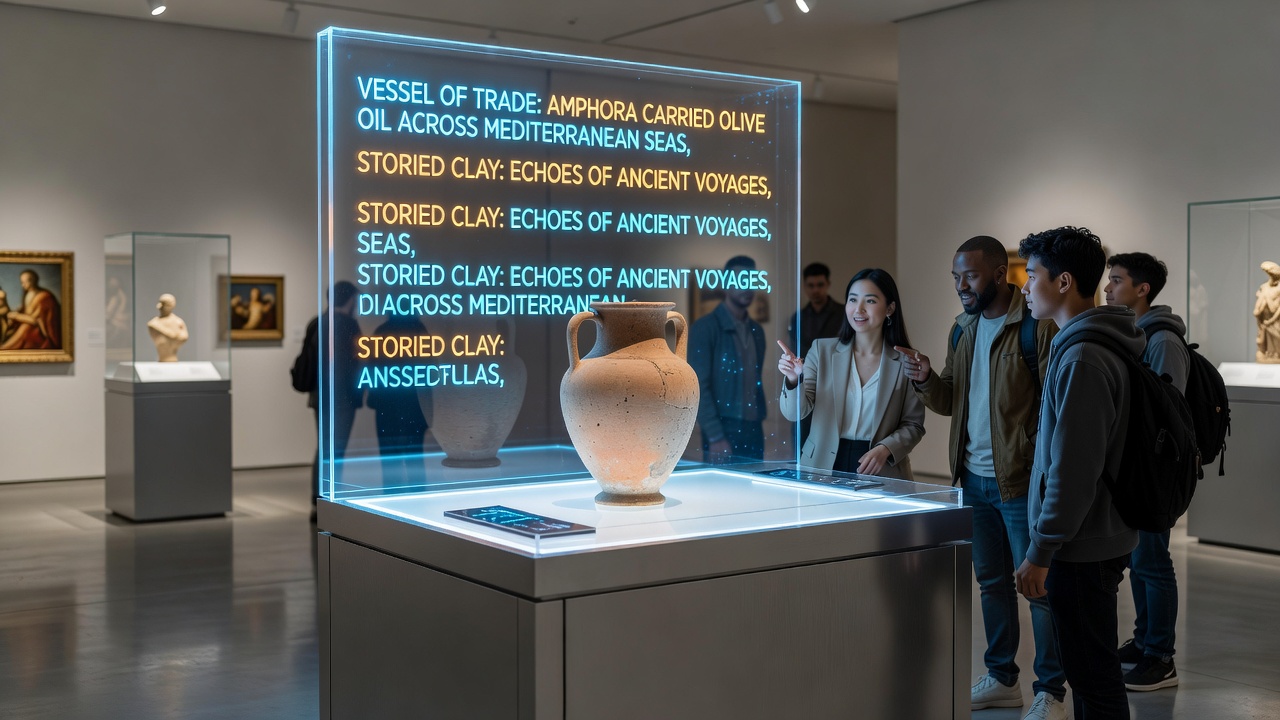
Museums across multiple continents have integrated interactive installations that pair verse with historical artifacts, and these systems deliver interpretive layers through spoken and projected poetry that responds to visitor proximity. Data from cultural heritage reports indicate that such setups emerged prominently after 2018 when sensor technology became more affordable for institutions like those in North America and Europe, and the approach combines motion detection with natural language generation algorithms trained on archival texts.
One installation at the Canadian Museum of History in Gatineau activates when visitors approach a 19th-century Indigenous canoe, at which point lines of verse drawn from oral histories in multiple dialects appear on nearby surfaces while audio recites adapted stanzas in both English and original languages. Researchers documented a 37 percent increase in average dwell time near these artifacts compared to static displays, according to findings published by the Canadian Heritage Information Network.
Core Technology Behind the Systems
Hardware components typically include depth cameras, directional speakers, and LED projection units mounted discreetly within exhibit cases, while software layers process real-time inputs through machine learning models that select and modify poetic fragments based on artifact metadata and visitor movement patterns. The National Museum of Australia deployed a comparable setup in 2024 around colonial-era tools, where verse generated from explorer journals shifts tone depending on how long someone lingers, and internal logs show the system processed over 120,000 visitor interactions in its first year.
Engineers at these sites calibrate the verse output to avoid literal translation, instead favoring associative imagery that connects material culture to broader historical contexts, and updates occur quarterly when curators upload new source material. This modular design allows institutions to rotate content seasonally without hardware changes.
Global Implementations and Data Trends
European examples include a project at the Rijksmuseum in Amsterdam that links 17th-century Dutch paintings with verse composed from period shipping logs, and visitor studies conducted by the museum's digital team revealed higher retention rates for accompanying factual panels when poetry preceded them. In Asia, the National Museum of Korea introduced similar verse-responsive cases for Goryeo dynasty ceramics in early 2025, drawing on classical sijo forms that adapt to group versus solo visitors.
Figures released by the International Council of Museums in 2026 show that 68 institutions worldwide now operate at least one verse-based interactive installation, with North American sites accounting for 29 of those deployments. November 2026 marks the scheduled launch of an expanded program at the Smithsonian's National Museum of American History, where verse will interpret industrial-era machinery through worker songs and protest poems sourced from union archives.
Visitor Interaction Patterns
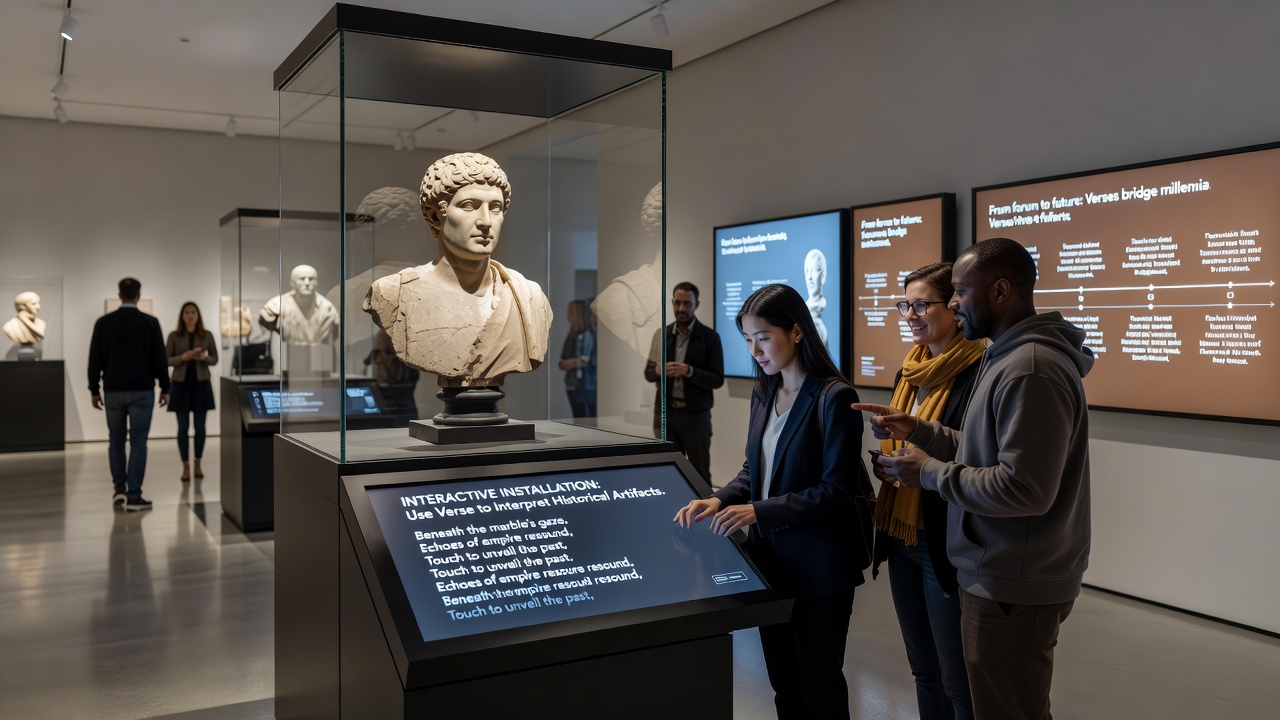
Observers note that children often trigger longer poetic sequences because their movements create more varied data points for the system, whereas adults tend to pause at fixed distances and receive shorter, reflective stanzas. A University of Melbourne study tracking eye movements found that participants spent 22 percent more time reading artifact labels after encountering the verse layer first, and the effect held across age groups in controlled trials.
Maintenance protocols require weekly calibration checks on sensors to ensure consistent response times, and curatorial teams review generated verse monthly for historical accuracy before approving database refreshes. Several museums have begun sharing open-source code for the interaction engines, which has accelerated adoption in smaller regional institutions that lack dedicated development staff.
Future Expansion Plans
Funding announcements from the European Union's Horizon research program indicate additional grants will support verse installation pilots in Eastern European museums starting in 2027, and similar initiatives are under review by the Australian Research Council. These projects aim to incorporate multilingual verse options that reflect immigrant and Indigenous perspectives on shared artifacts.
Integration with mobile applications allows visitors to save personalized verse sequences generated during their visit, and early analytics from pilot programs show that 41 percent of users return to the digital versions within two weeks. Such extensions keep the interpretive material accessible beyond the physical museum space.
Conclusion
Interactive verse installations continue to evolve as museums refine the balance between technology and historical fidelity, and current deployments demonstrate measurable impacts on engagement metrics across diverse geographic regions. Continued collaboration among institutions supports broader access to these interpretive tools while preserving the factual grounding of each poetic response in documented sources.